Reading archaeological evidence: how layers are read, how dates are set, what a single find can and cannot prove, and how disputed finds and sites are checked against the documents. Conclusions stand as of current evidence.
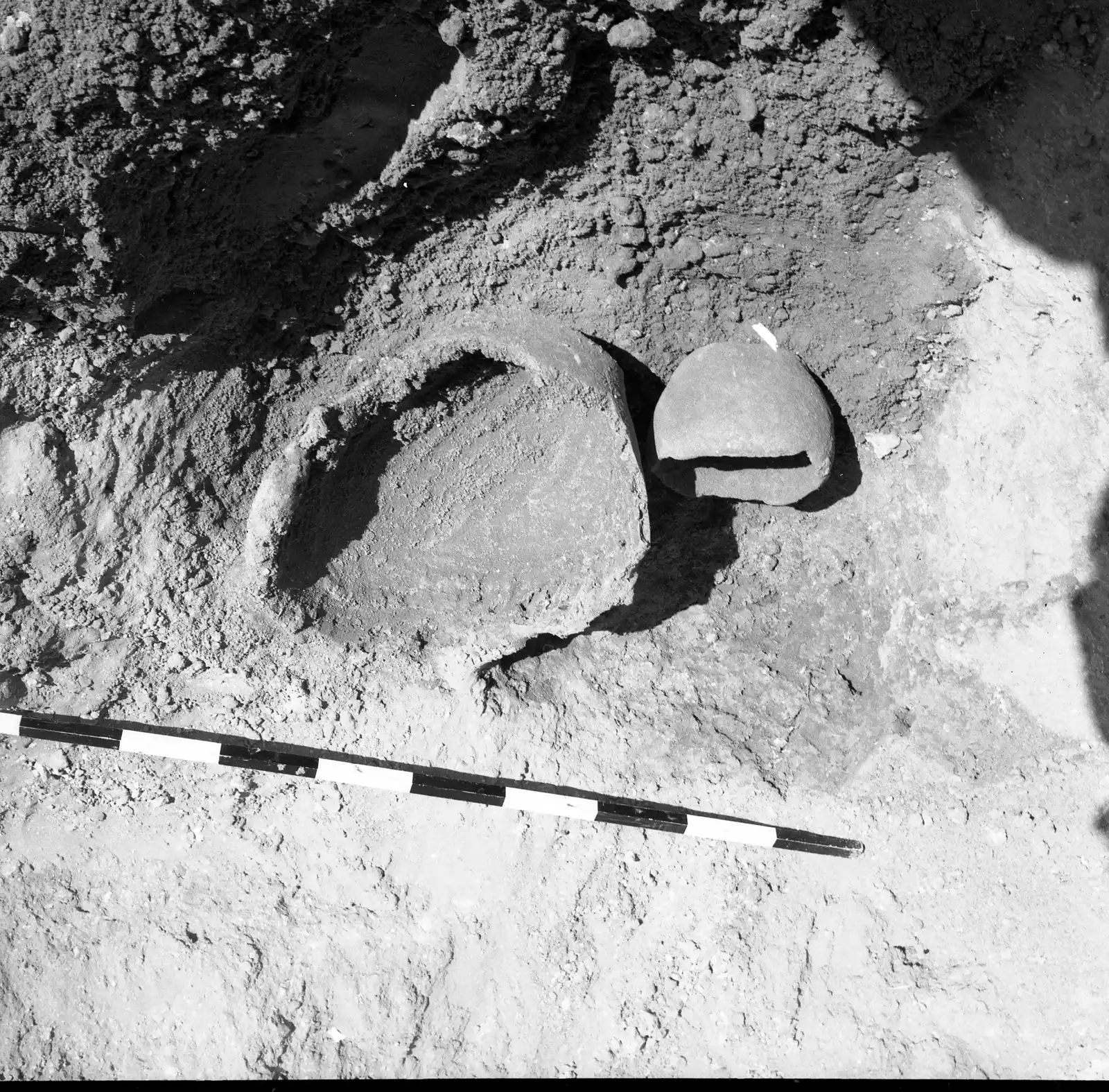
Stratigraphy reads the order of layers: lower is earlier, unless a later pit, burrow or collapse cuts through. It gives a sequence, not a calendar date.
Picture credit
"Archaeological excavation (חפירה ארכיאולוגית), Israel, August 1957" by Benno Rothenberg / Meitar Collection / National Library of Israel / The Pritzker Family National Photography Collection — https://commons.wikimedia.org/wiki/File:Archaeological_excavations_(997009157511605171.jpg — CC BY 4.0 (https://creativecommons.org/licenses/by/4.0/); modified: card and share image cropped to 16:10 by the site build; the article page shows the full frame
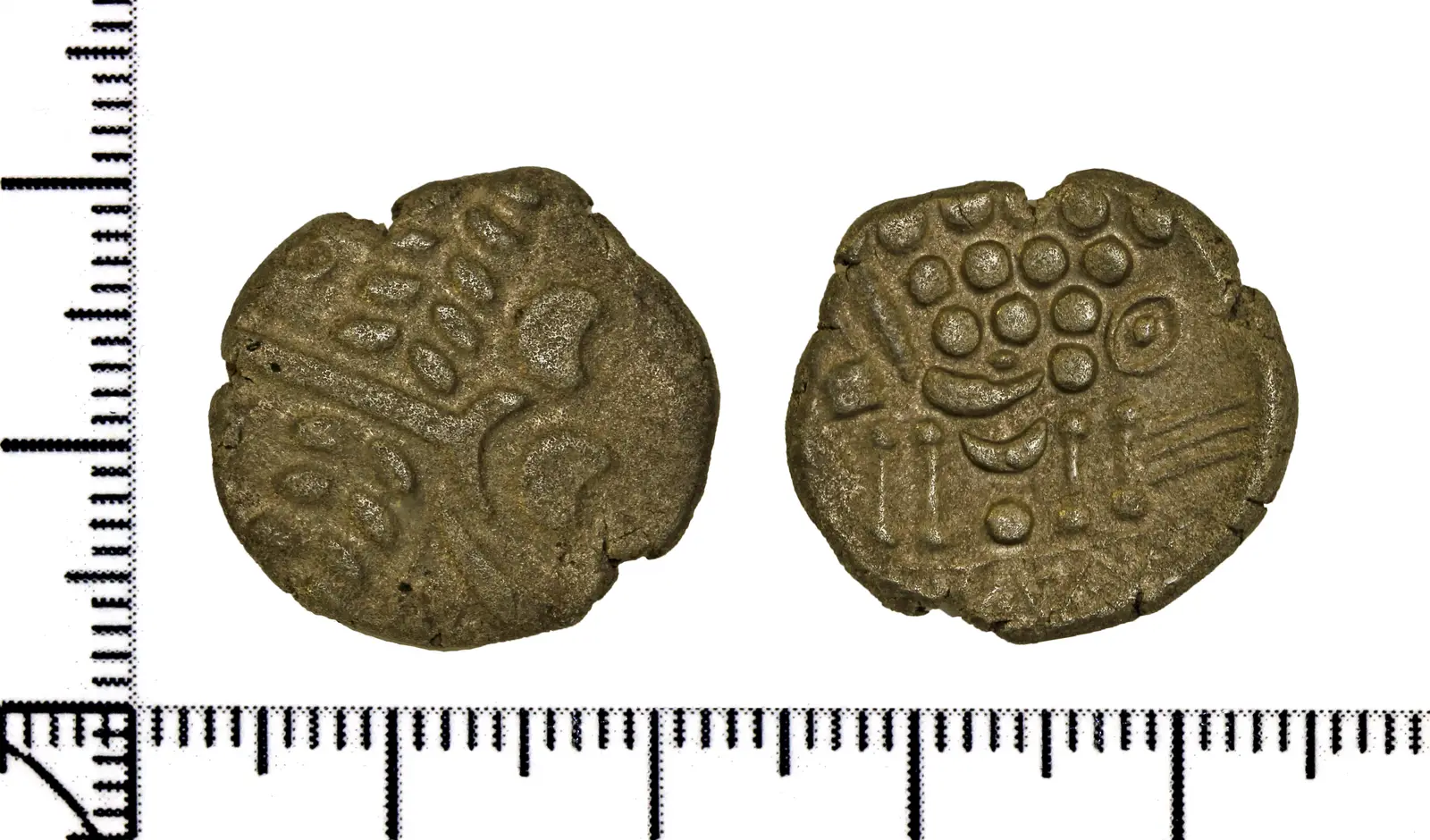
A terminus post quem is the earliest date a layer or object can have, set by its newest dated part. It gives a floor, not a date; the ante quem sets a ceiling.
Picture credit
"Cranborne chase stater (PAS FindID 983439)" by The Portable Antiquities Scheme — https://commons.wikimedia.org/wiki/File:Cranborne_chase_stater_(FindID_983439).jpg — CC BY 2.0 (https://creativecommons.org/licenses/by/2.0/); modified: card and share image cropped to 16:10 by the site build; the article page shows the full frame
In 1910 a Minnesota panel backed the Kensington Runestone on one condition; its specialist rejected it. By current evidence it is not accepted as medieval.
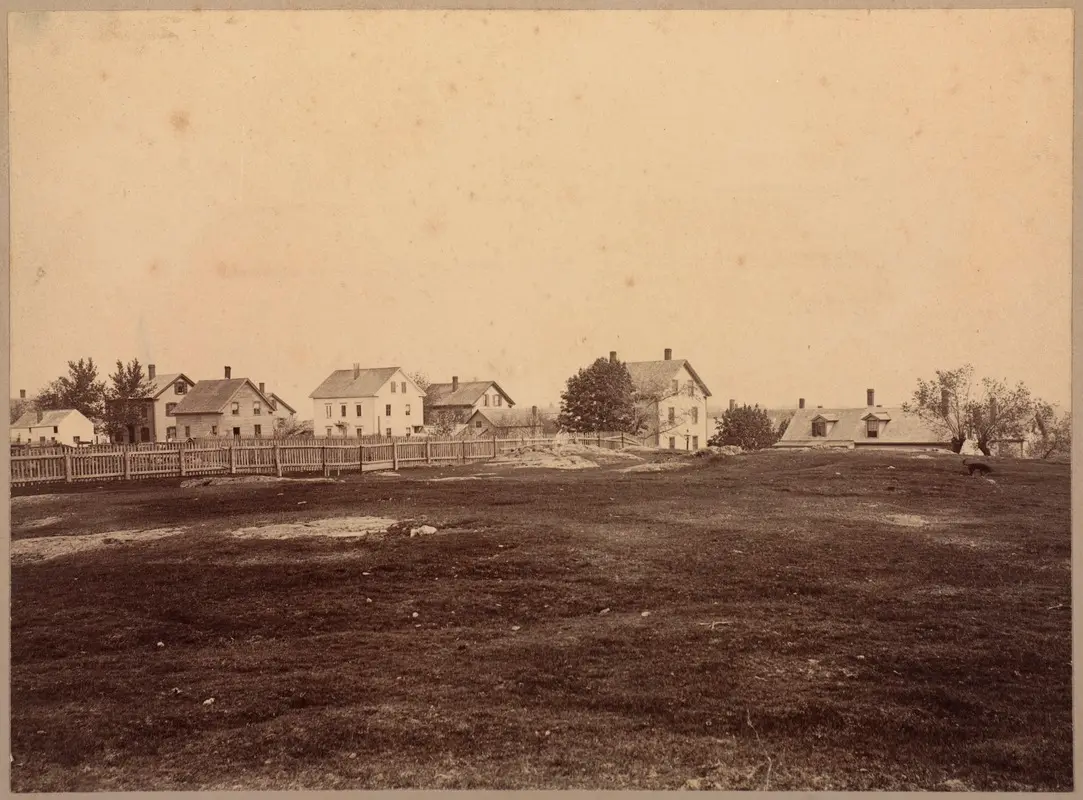
Salem's 1692 hangings most likely took place at Proctor's Ledge, below Gallows Hill's summit, as Perley argued in 1921. No archaeological dig has been reported.
Picture credit
"Gallows Hill, Salem, where the witches were hung." by Unknown author — https://commons.wikimedia.org/wiki/File:Gallows_Hill,_Salem,_where_the_witches_were_hung._-_DPLA_-_64eb4c9dba10556ef5bc3647d684749c.jpg — Public domain (anonymous mounted photograph dated by the cataloguer between 1895 and 1905. US: if published, before 1931; if never published, an anonymous unpublished work is protected 120 years from creation, which ended at the latest at the end of 2025; the Boston Public Library marks it No Copyright - United States. EU: anonymous work, more than 70 years since it was made and since any publication. Risk noted: no publication record was checked, and the photographer is not known.); modified: card and share image only: cropped by the site build inside the photograph's mount; the article page shows the whole mount uncropped
Count this visit?
With your permission, this site uses Google Analytics, which sets cookies, to count visits. Cloudflare Web Analytics, which sets no cookies, counts visits either way. There are no ads. Data protection